Insight · 23 January 2026
Webinar: The State of Hourly Matching
Hourly matching is quickly moving from a pioneering idea to a widely available energy product, changing what credible renewable energy procurement looks like.
The State of Hourly Matching
Hourly matching is quickly moving from a pioneering idea to a widely available energy product, changing what credible renewable energy procurement looks like.
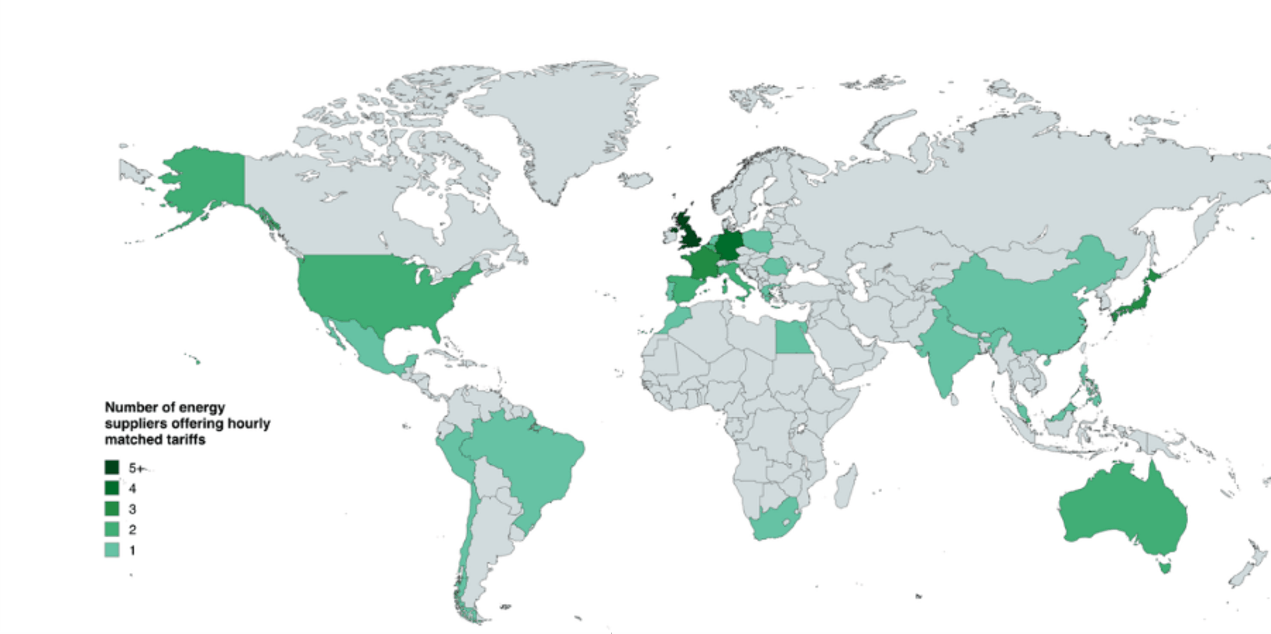
On January 22 at 3pm CET, Granular Energy, Baringa, Climate Group and ENGIE held a webinar exploring the latest market insights from our new report, The State of Hourly Matching. Hear what’s driving the rapid growth of hourly matched tariffs, where hourly matched tariffs are available, what it means for buyers and suppliers, and where the market is heading next.
Key report findings we’ll dive into:
- 46 energy suppliers currently offer hourly matched tariffs
- 4x year-on-year increase in the number of hourly matching tariffs available
- 73% of global electricity demand is in markets with hourly matched tariffs
We’ll also highlight the suppliers active in this growing ecosystem, as tracked on our 24/7 Carbon-Free Energy Suppliers page.
Speakers:
Beth Bentley- Management Consultant, Baringa
Frederic Lefort - B2B S&EM, ENGIE
Rachel Swiatek – Senior Manager, Climate Group
Bruno Menu – COO & Founder, Granular Energy
Share article
More insights
14.09.2026
Carbon-Free Chronicles August 2026: the essential round-up of news and reports relating to hourly transparency
The big story of the month: Spain drafted the most ambitious hourly matching mandate yet for data centres, tying grid access itself to 80% hourly renewable coverage. Meanwhile in the Democratic Republic of Congo, Africa's first 24/7 solar-plus-storage baseload plant came online at a copper mine. Events are back up and running after a summer break so there are plenty of opportunities to find the team. Here is what has been on our radar.
Insight · 20.08.2026
REC Portfolio Management 101: what it is and why it gets complicated
Renewable Energy Certificates (RECs) are the instrument companies use to prove their electricity purchases come from renewable sources. As more companies report their usage of clean energy, REC portfolios grow alongside, creating challenges and liabilities. This article covers what RECs are, why REC management can get complicated, and how a purpose-built REC management tool can help portfolio managers.